Need For Nigeria To Power Economy With Clean Energy
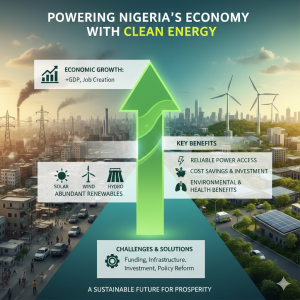
As the world marks the International Day of Clean Energy today, Nigeria stands at a critical crossroads.
With abundant sunlight, vast gas reserves, hydro resources and a youthful population eager for innovation, the country has all it takes to become a clean energy powerhouse.
Yet, millions of Nigerians still live in darkness, businesses struggle with high energy costs, and the economy remains heavily tied to fossil fuels. This contradiction highlights a deeper problem: Nigeria has not fully aligned its energy future with its economic ambitions.
Energy is the backbone of economic growth. In Nigeria, however, unreliable power supply continues to stifle productivity.
Manufacturers rely on diesel generators, small businesses spend a large share of their income on fuel, and households bear the burden of rising electricity tariffs and energy inflation. These realities weaken competitiveness, raise production costs and limit job creation.
Transitioning to clean energy is not just an environmental obligation; it is an economic necessity.
The economic case for clean energy is compelling. Solar mini-grids and off-grid solutions can power rural communities and small enterprises, expanding financial inclusion and local production. Large-scale renewable projects can attract foreign investment, create green jobs and reduce Nigeria’s dependence on imported refined petroleum products.
More importantly, stable and affordable power can unlock growth in key sectors such as agriculture, manufacturing, technology and services.

Nigeria has made some progress. Policies promoting renewable energy, the introduction of solar-powered public infrastructure and private sector investments in mini-grids are steps in the right direction.
However, these efforts remain fragmented and insufficient compared to the scale of the challenge. Regulatory bottlenecks, weak financing structures and inconsistent policy implementation continue to slow momentum
On this International Day of Clean Energy, policymakers must move beyond symbolism to action. The government should prioritize incentives for renewable energy investors, expand access to green financing, and fast-track reforms that encourage private sector participation. State governments must also integrate clean energy solutions into local economic development plans, especially in underserved communities.
The private sector, too, has a role to play. Banks, manufacturers and technology firms should see clean energy not as a cost, but as a strategic investment. By adopting renewable power solutions, businesses can reduce operating expenses, improve sustainability and enhance long-term profitability.
For Nigeria, clean energy is not just about reducing carbon emissions; it is about powering economic transformation. A nation that can light up its factories, farms, schools and homes with reliable, affordable and sustainable energy will be better positioned to compete globally.
As the world celebrates clean energy, Nigeria must seize this moment to rethink its power strategy. The choice is clear: continue to depend on costly, polluting energy sources that drain the economy, or embrace a cleaner path that fuels growth, jobs and prosperity. The future of Nigeria’s economy depends on making the right choice today.