
Nigeria’s Banks Attract N4.61trn Fresh Capital In Ongoing Recapitalisation Exercise
BY ZAKA KHALIQ
Nigeria’s banks have attracted N4.61trillion fresh capital in the ongoing banking sector recapitalisation programme whose deadline ends at the end of the outgoing month.
This is even as about N1.3trillion translating to 27 per cent of the mobilised capital are from foreign investors who wants to take some stakeholding in the country’s banking sector.
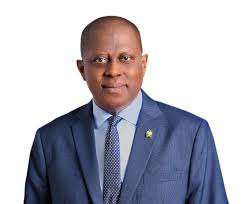
Confirming this development at the 4th Annual IMF/AFRITAC West 2 High-Level Executive Forum for Financial Sector Regulation and Supervision held at the CBN headquarters in Abuja yesterday, the governor of the Central Bank of Nigeria(CBN) (CBN), Mr. Olayemi Cardoso, recalled that, in 2024, the apex Bank anticipated upcoming challenges and launched the Banking Sector Recapitalisation Programme to strengthen the resilience of Nigerian banks then.
This proactive policy, he noted, inspired similar reforms across Africa, adding that Nigerian banks, in the ongoing exercise, despite navigating subsidy removals and exchange rate reforms, attracted N4.61 trillion in new capital, nearly 27% from foreign investors, while even expanding their footprint across African markets.
While urging African financial regulators to strengthen cooperation in managing cross-border risks, he restated the CBN’s commitment to entrenching robust corporate governance in Nigeria’s financial system.
Cardoso emphasised that, as African banks and financial systems become increasingly interconnected, collaboration among regulators is not optional but essential to safeguard stability and ensure shared prosperity across the continent.
Urging African regulators to deepen cooperation in managing cross-border risks, he emphasised that, regional financial integration is outpacing political coordination. He called for the adoption of shared prudential principles tailored to Africa’s realities, noting that, this framework would enable regulators to respond jointly and effectively to emerging vulnerabilities while supporting inclusive growth.
Building on this continental vision, the governor outlined how Nigeria’s regulatory and supervisory reforms exemplify proactive leadership.
“Our stance on corporate governance is unequivocal: zero tolerance for violations. By ending years of regulatory forbearance, we have reinforced accountability, tightened supervision, and elevated compliance standards across the sector,” he declared.
“In line with this, we have implemented a restriction of banking services to non‑performing large‑ticket obligors. This decisive step underscores our commitment to credit discipline, financial integrity, and accountability. By curbing access to banking services for chronic defaulters, we are reinforcing the culture of repayment, protecting depositors, and safeguarding the stability of the financial system,” Cardoso added.
On the policy front, he reiterated that, the CBN remains firmly anchored in orthodox monetary policy, focused on restoring price stability, strengthening policy credibility, and anchoring expectations through discipline and consistency.
Speaking further on the transformative role of financial technology, the governor outlined the Bank’s deliberate strategy to engage and regulate Fintechs in a way that balances innovation with stability. He said, the CBN’s Fintech Policy Report and structural reforms are part of ongoing efforts to build supervisory capacity for a fastevolving digital financial ecosystem.
In his opening remarks, the director, IMF/AFRITAC West 2, Dr Ivohasina Fizara Razafimahefa said, the gathering served as a platform for open dialogue between staff of the International Monetary Fund (IMF) and national financial regulators, enabling the sharing of practical experience, technical insights, and policy innovations across participating countries.
According to him, the forum concentrated on emerging and rapidly evolving risks affecting financial stability, noting that, this year’s discussions centred on collective strategies to tackle challenges arising from digital finance, Fintech expansion, artificial intelligence (AI), and climate-related financial risks.
These issues, he observed, would demand regional coordination, proactive regulation, and ongoing dialogue among stakeholders to protect the resilience of Africa’s financial systems.
The IMF AFRITAC West 2 High-Level Executive Forum, which attracted senior representatives, including Central Bank Deputy Governors, from six member countries, reaffirmed its commitment to collaboration and shared learning in addressing the region’s evolving financial stability challenges





