
Customs, American Business Council Deepen Trade Collaboration
……..Partners World Bank To Strengthen Audit Operations
BY ZAKA KHALIQ
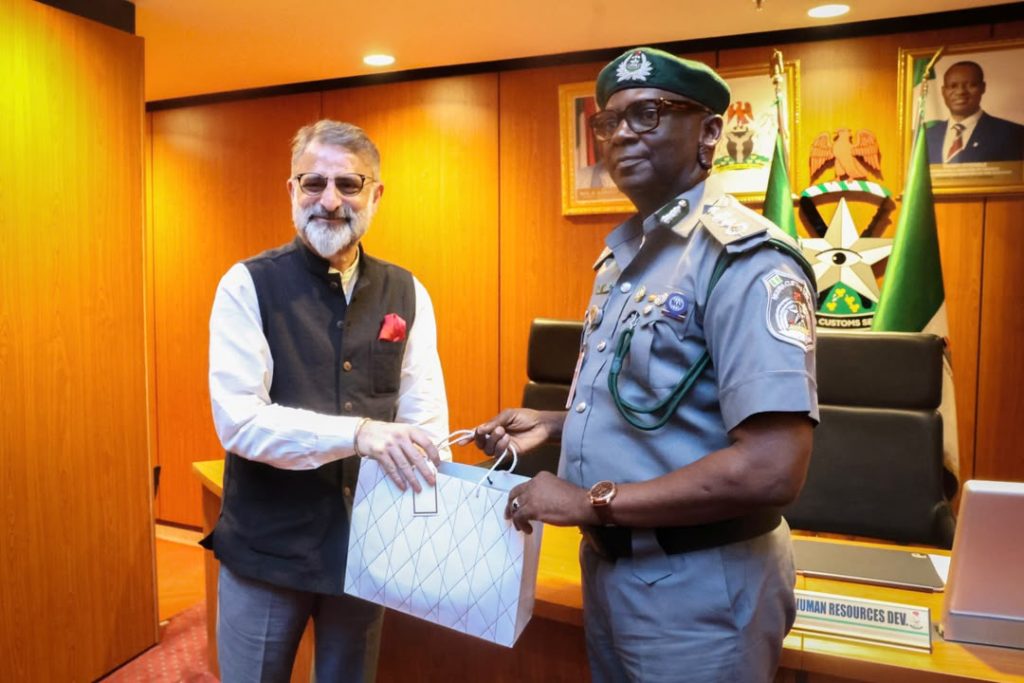
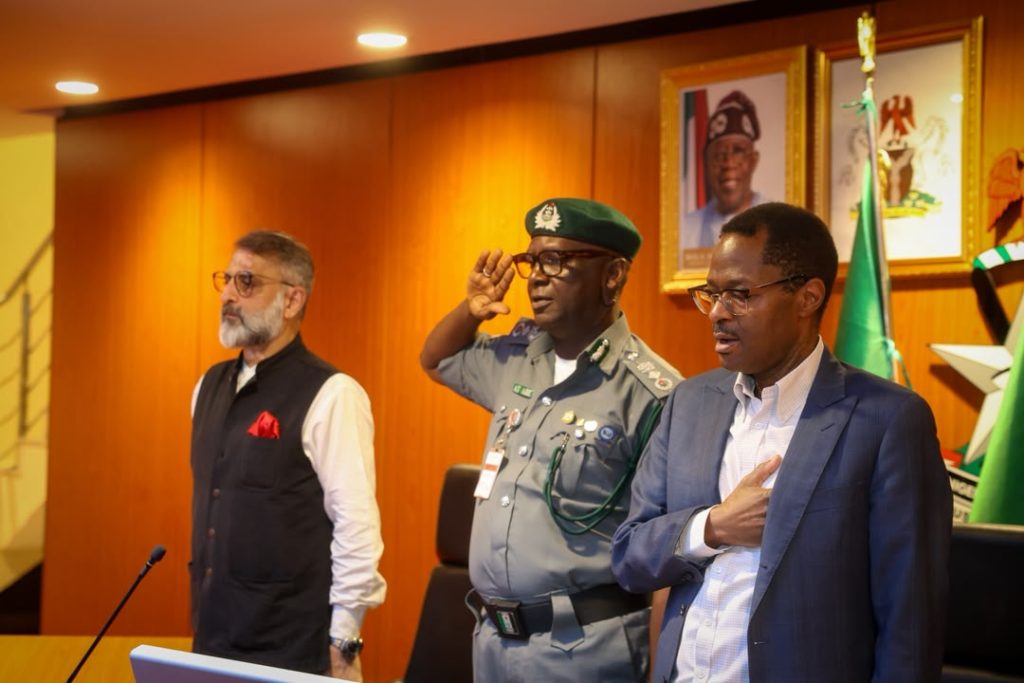
The Nigeria Customs Service (NCS) and the American Business Council (ABC) have reaffirmed their commitment to strengthening trade relations and addressing bottlenecks affecting business operations through sustained public-private sector engagement.
This is even as the Service in collaboration with the World Bank Group under the Accelerated Revenue Mobilisation Reform (ARMOR) Programme, has concluded a two-week Technical Assistance Mission on Post Clearance Audit (PCA) to strengthen audit operations.
The trade collaboration resolution was reached during the quarterly meeting held on 16 June 2026 at the Service Headquarters in Abuja, where discussions centred on improving trade facilitation, enhancing security, and promoting stronger economic ties between Nigeria and the United States.
Speaking during the meeting, the Comptroller-General of Customs (CGC) Adewale Adeniyi stressed the importance of regular consultations with stakeholders, noting that the engagement would be institutionalised as a permanent feature of the Service’s calendar.
“It is our intention that we will institutionalise this as a permanent feature of the Customs calendar because of the importance we attach to this kind of engagement,” Adeniyi said.
CGC Adeniyi also briefed participants on developments in key trade facilitation initiatives, including the Advance Ruling system, the Authorised Economic Operator (AEO) Programme, Post Clearance Audit, the B’Odogwu platform and ongoing improvements in scanning integration and cargo clearance procedures aimed at enhancing operational efficiency.
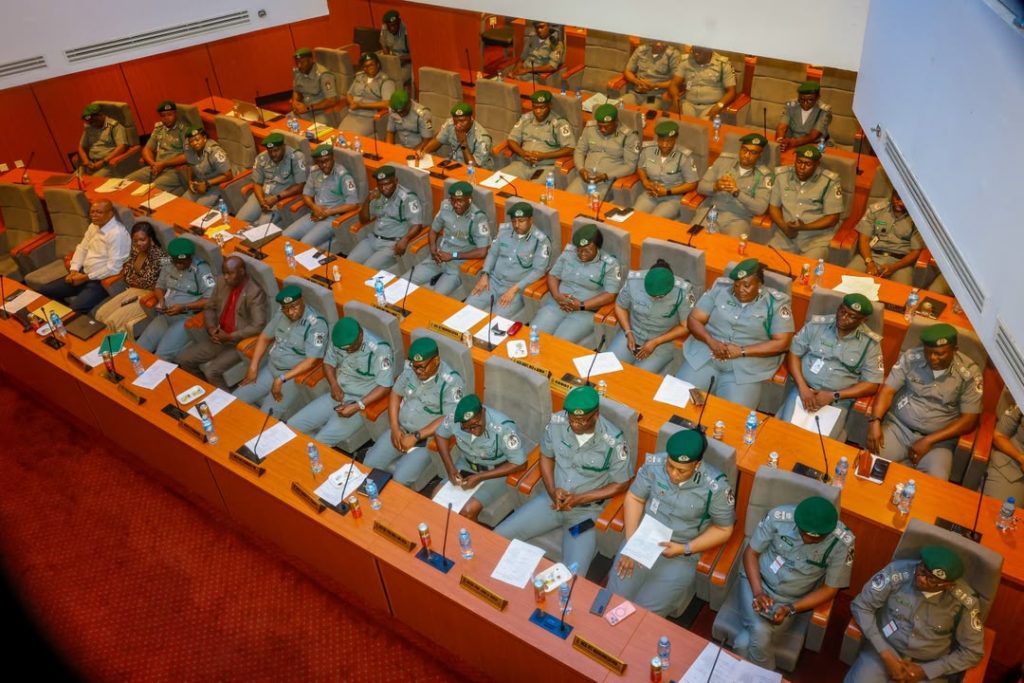
Members of the American Business Council welcomed the reforms and commended the Service’s efforts, while also calling for quicker mechanisms to address outstanding challenges affecting businesses.
President of the American Business Council, Nneka Enwereji, described the meeting as productive and praised the Customs leadership for its commitment to improving the ease of doing business in the country.
“This session has been phenomenal and demonstrates your commitment to improving ease of doing business. You have raised the bar, and there is a lot that can be learned from this,” she said.


Meanwhile, Customs in collaboration with the World Bank Group is set to strengthen audit operations.
.The programme held from 1 to 12 June 2026 focused on strengthening compliance management, revenue assurance, and trade facilitation through modern audit practices.
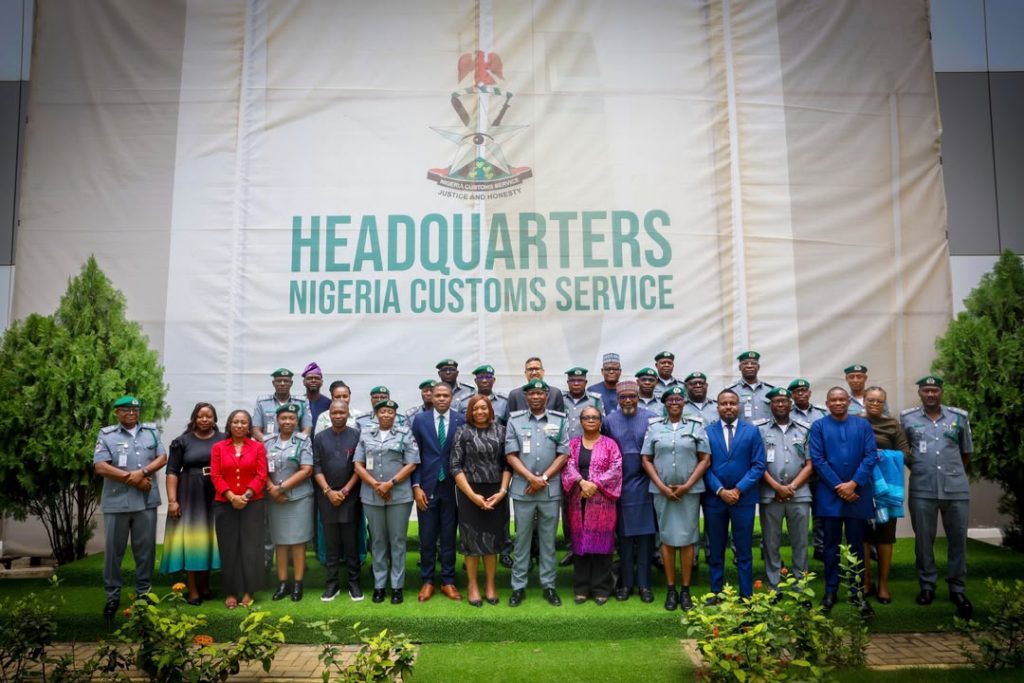
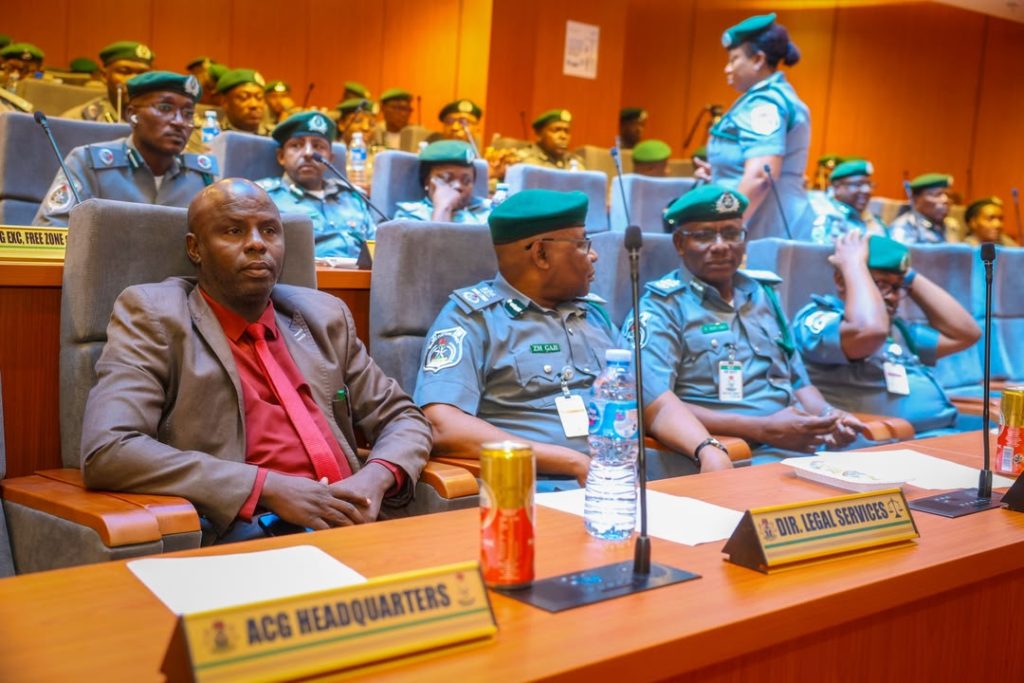
Representing the Comptroller-General of Customs at the closing ceremony, Deputy Comptroller-General of Customs in charge of Human Resource Development, Tijjani Abe, reaffirmed the Service’s commitment to strengthening Post Clearance Audit as a modern control mechanism for promoting voluntary compliance, facilitating legitimate trade and safeguarding government revenue.
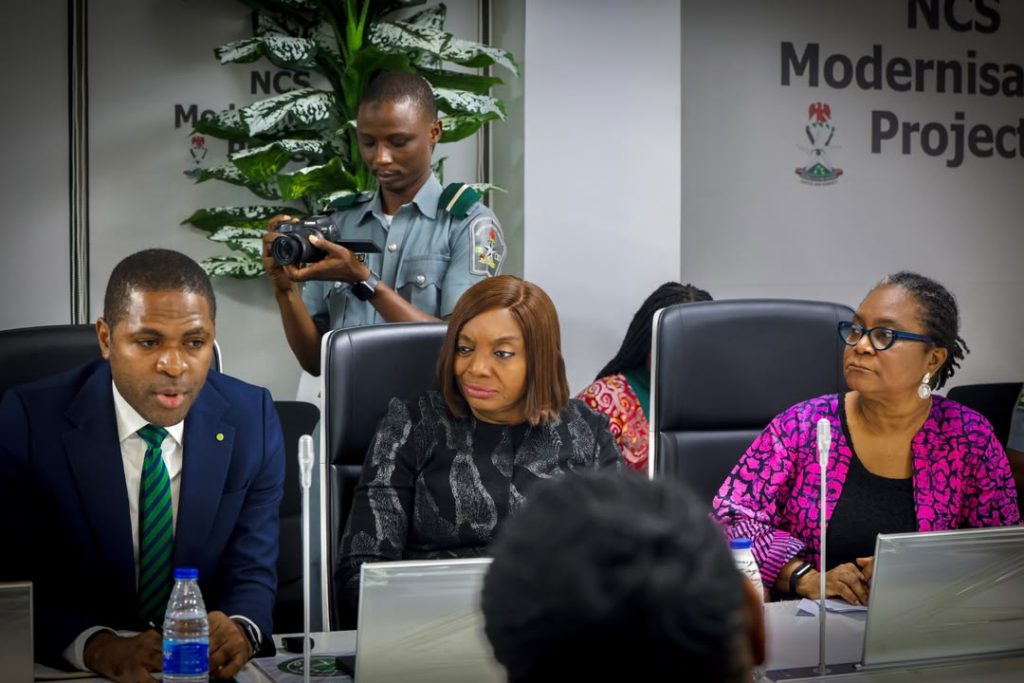
He noted that effective customs administration requires intelligence-driven, risk-based, and internationally compliant PCA systems.
“The true measure of success will not be the completion of this programme, but the extent to which the knowledge acquired translates into improved performance, stronger compliance outcomes and enhanced service delivery,” he stated, while reaffirming the Service’s commitment to continued collaboration with the World Bank Group, the World Customs Organisation (WCO) and other development partners.
Earlier, the Assistant Comptroller-General of Customs in charge of PCA, Babatunde Olomu, expressed optimism about PCA’s future within the Service. He said the technical deliberations, practical problem-solving sessions, and assessments conducted during the mission had laid a solid foundation for institutional and operational reforms.
“The experiences exchanged and outputs developed during this mission will undoubtedly serve as catalysts for a new era of PCA modernisation and development in the NCS. These are not mere administrative instruments; they are the building blocks of a risk-intelligent and internationally compliant PCA system,” he stated.
Participants presented key deliverables developed during the mission, including draft Standard Operating Procedures, a Case File Management System, trader segmentation logic, audit checklists, registry management systems, and quality assurance frameworks. An annual audit plan covering 30 audit cases across Headquarters and three operational zones was also unveiled, with implementation structured within a 45-day timeline.
Speaking on behalf of the World Bank Group, Task Team Lead Moses Kajubi expressed satisfaction with the mission’s outcomes and underscored the importance of institutional support and continuous capacity building.
“For PCA to deliver value, we do not only need tools and processes; institutional support and continuous capacity building are equally important,” he stated, reaffirming the World Bank’s commitment to supporting capability development and implementation efforts within the NCS.





