
13 States Waive Right-Of-Way Charges As Stakeholders Converge Over Broadband Penetration
BY ZAKA KHALIQ
No fewer than 13 States of the federation have waived Right-Of-Way charges for telecommunications companies in a move to deepen internet penetration and improves network service quality, BUSINESSDIARY learnt.
Lagos, Kogi, Edo, Oyo and nine others, it was learnt, are States that have granted this waivers to deepen internet penetration across the adopting States.

This is even as 16 other States have adopted the nationally recommended rate, as the federal government, through the Nigerian Communications Commission(NCC), continues engagement with State governments for full compliance in its national fibre rollout and broadband penetration.
Right-of-Way fees are the charges levied by State governments for permission to lay fibre optic cables along public roads . Historically, exorbitant costs and inconsistent state-level policies acted as major bottlenecks, driving up deployment costs and delaying the expansion of broadband.
However, with the waivers, the rollout of the 90,000-kilometer national fibre optic backbone project is gaining momentum, especially, at the sub-national level.
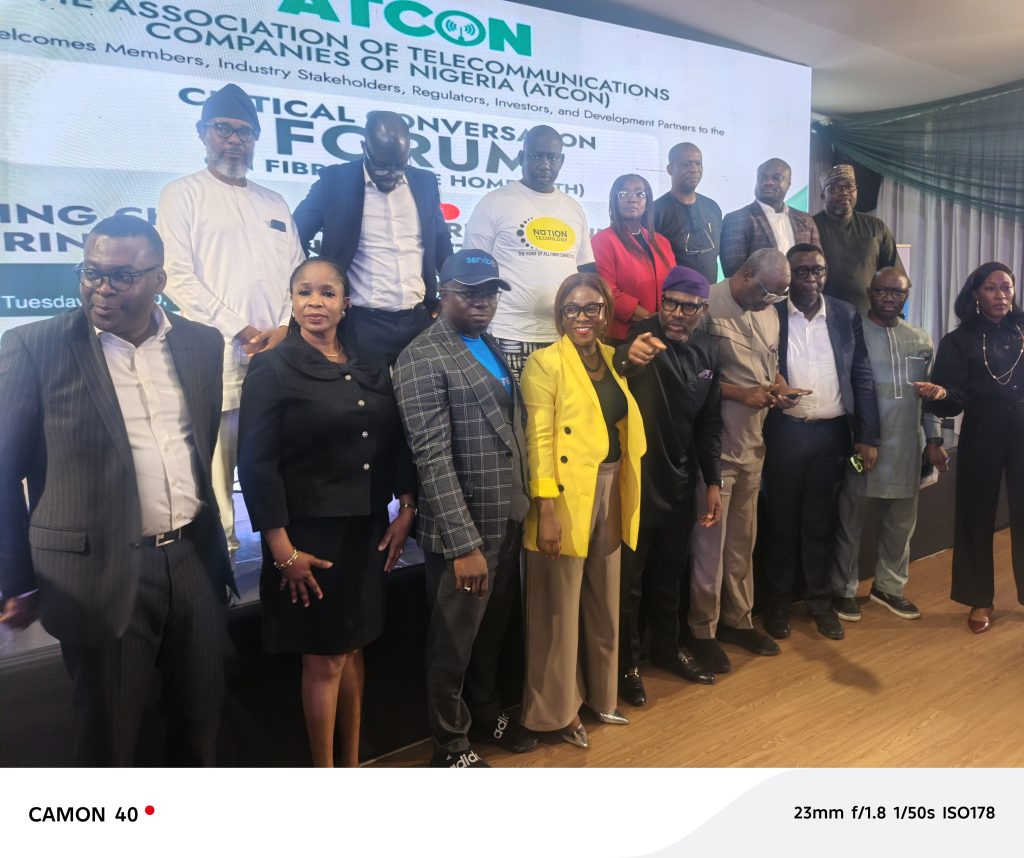
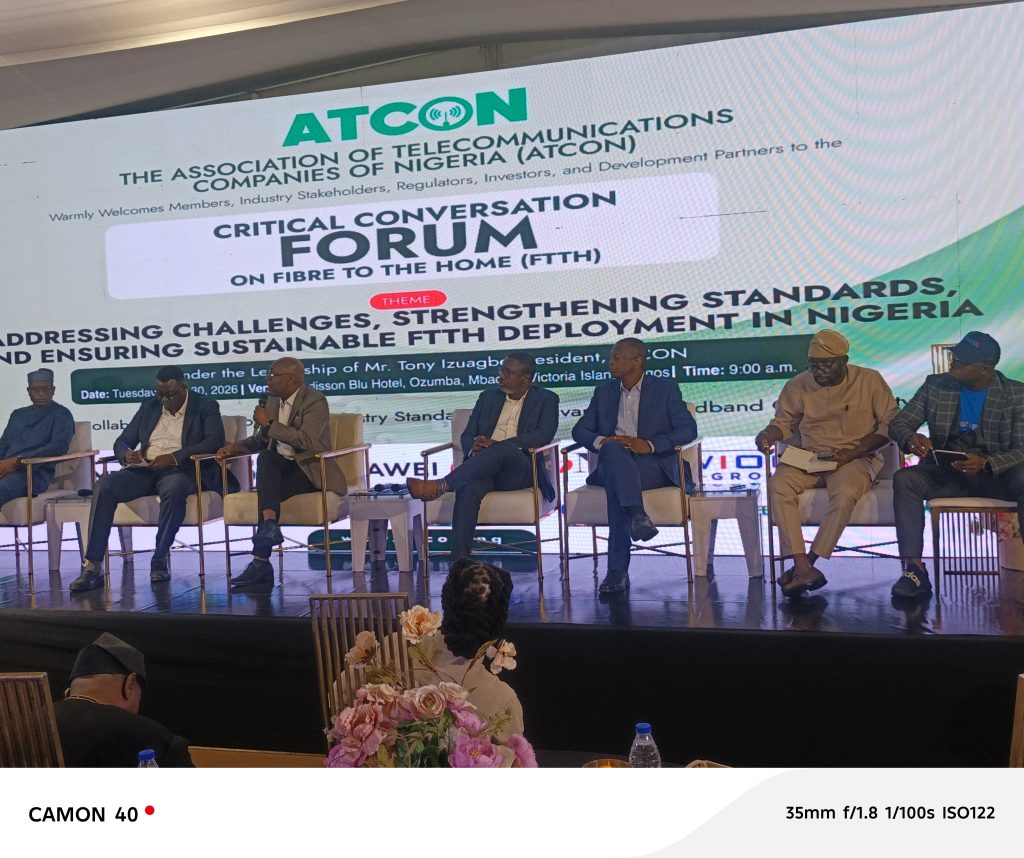
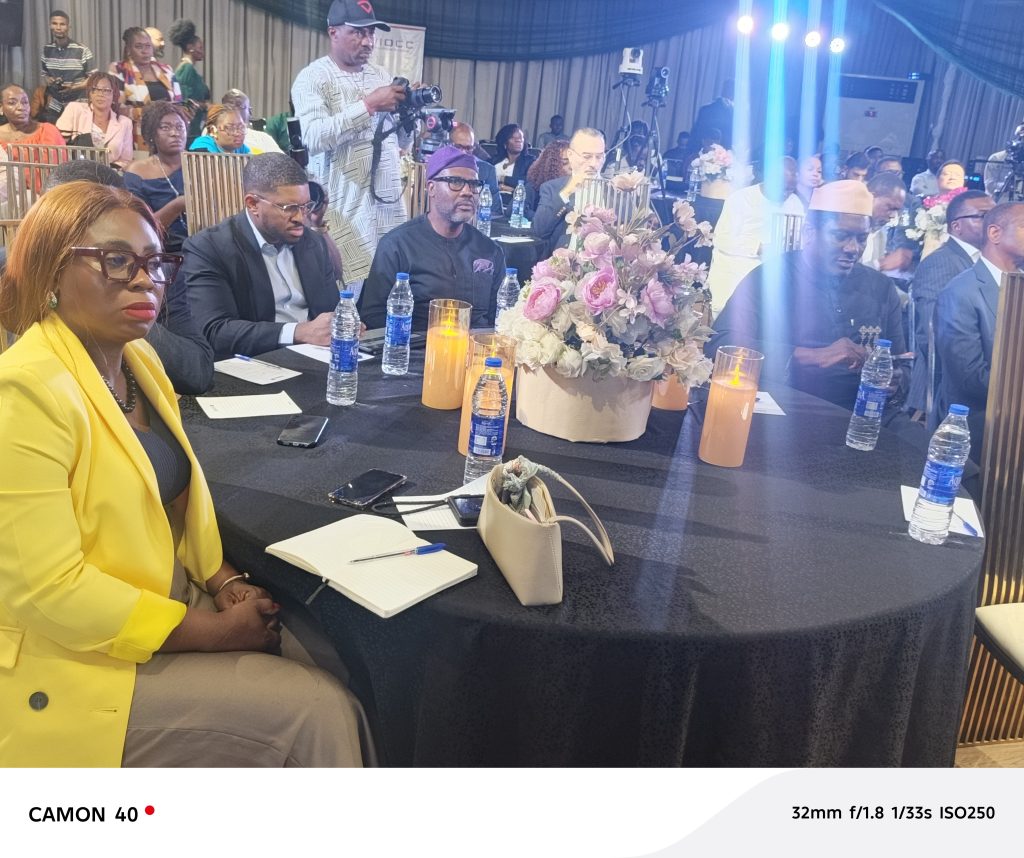
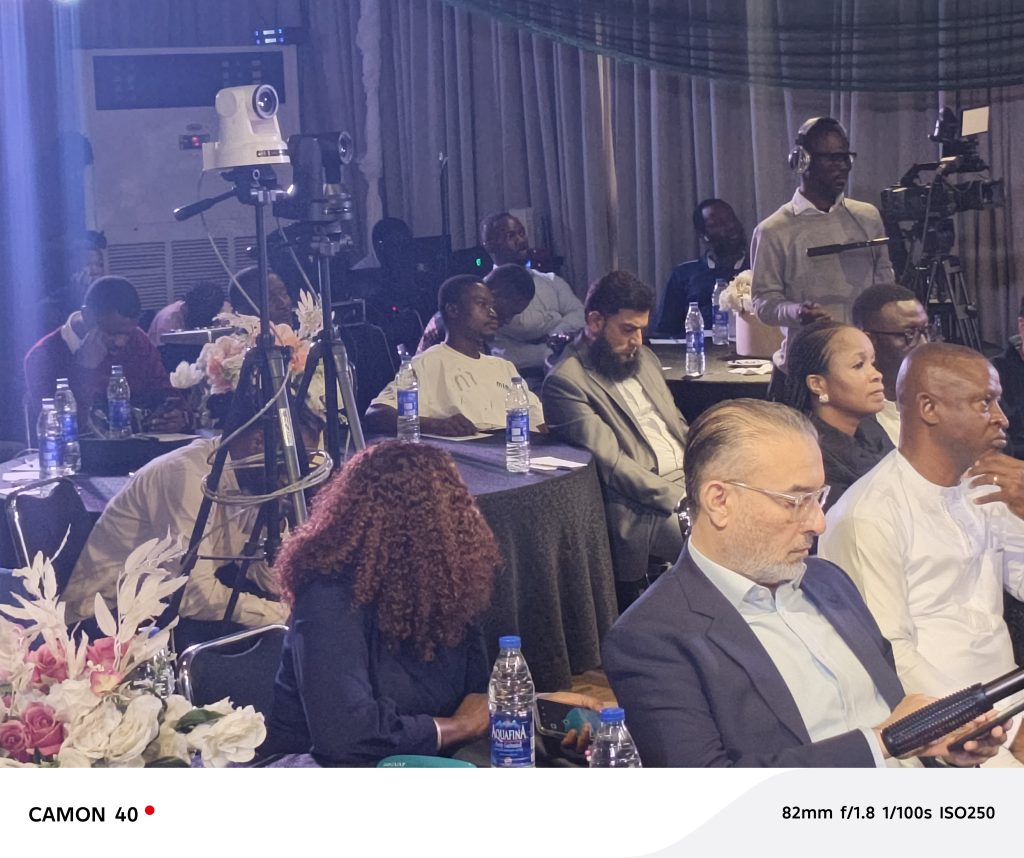
At the Critical Conversation Forum on Fibre to the Home (FTTH), organised by the Association of Telecommunication Companies of Nigeria(ATCON) in Victoria Island (VI), Lagos, on Tuesday, stakeholders canvassed collaboration among operators urging them to adopt infrastructure-sharing to deepen internet penetration.
Speaking virtually at the event, the executive vice chairman(EVC) of the NCC, Dr. Aminu Maida, identified right-of-way approvals as one of the biggest obstacles to fibre rollout, citing excessive charges, inconsistent approval timelines and multiple permits as major cost drivers.
“State governments must recognise that the local economic value of digital infrastructure far outweighs the total revenue from right-of-way charges,” he said.
Promising that NCC would continue engagement with sub-national governments for full compliance, he added that: “13 States have completely waived right-of-way charges, while 16 others have adopted the nationally recommended rate.”
His reactions came as a result of recurring challenges in Nigeria’s telecom sector, including frequent fibre cuts, rising deployment costs, multiple taxation concerns and delays in right-of-way approvals, all of which operators have repeatedly identified as major threats to network expansion.
Maida said, the home has evolved beyond a residential space to become “the common place of learning, work, and service delivery,” making fibre infrastructure increasingly central to Nigeria’s digital economy.
“The home has become a critical access point to the digital economy. Fibre to the home is unique because it continues to meet this new demand. Fiber provides the resilience and scalability required for increased data and services,” he said.

He noted that, fibre remains the foundation for economic productivity, innovation and efficient service delivery, stressing that Nigeria’s ambition of building a $1 trillion economy would depend heavily on digital infrastructure.
“A one trillion dollar economy will increase our productivity, innovation, services and efficient markets, and all of these rely on fibre. The quality of our work will increasingly shape the competitiveness of our businesses,” Maida stated.
The NCC boss noted that, despite progress in broadband adoption, Nigeria currently has about 275,000 active fibre-to-home subscriptions nationwide, describing the figure as significantly below Africa’s average penetration rate of 2.8 per cent.
“Currently, with about 275,000 active fibre users from subscriptions nationwide, these figures remain below the African average of 2.8 per cent and far below mature markets with a 47 per cent average. This underscores the significant opportunity to expand fibre connectivity and bridge the gap,” he said.
The low penetration, he said, should not discourage stakeholders but rather highlight the scale of opportunities in the market.
Maida, while speaking on policy interventions, revealed that, the commission is set to commence a post-build fixed broadband market assessment to identify measures to boost investment, encourage fair competition and improve infrastructure sharing.
“The objective is to identify practical measures that would encourage investment, promote fair competition, improve infrastructure sharing, support open access and deliver more affordable, high-quality broadband services,” he said.
Earlier, the president, ATCON, Mr. Tony Emoekpere advised that, Nigeria’s fibre rollout must be guided by proper technical standards and stronger infrastructure sharing among operators to avoid chaotic deployment and unnecessary duplication of services.
Mobile network alone, he said, cannot deliver the needed broadband capacity required by Nigeria’s growing digital economy, disclosing that, widespread fibre deployment remains the country’s most sustainable path to achieving universal high-speed internet access.
He expected the forum to produce practical recommendations apable of accelerating fibre deployment while improving service quality and supporting Nigeria’s broadband penetration target.
Similarly, the managing director of Wave5 Wireless Limited, Wande Adalemo, called for a shift from isolated competition among internet service providers to a federated infrastructure model.
Adalemo said, such collaboration could unlock new revenue streams for operators and improve service continuity, even during fibre outages. ‘This represents a fundamental shift from pure competition to collective innovation,’ he added.
He further explained that, through federated edge computing, ISPs can pool infrastructure, enable seamless roaming, and expand their reach to millions of users without bearing the full burden of infrastructure ownership.
“Our proof-of-concept with Globacom was successful. Upon completion, we will return to ISPs with a clear proposition: let us work together to build a federated unit across the nation,” Adalemo said.
He stressed that, the model could transform sectors such as entertainment, fintech and local data hosting by keeping more digital traffic and revenue within Nigeria.





