
Air Peace Challenges NCAA August Delay Report, Says Only 15% Delays Linked to Airline
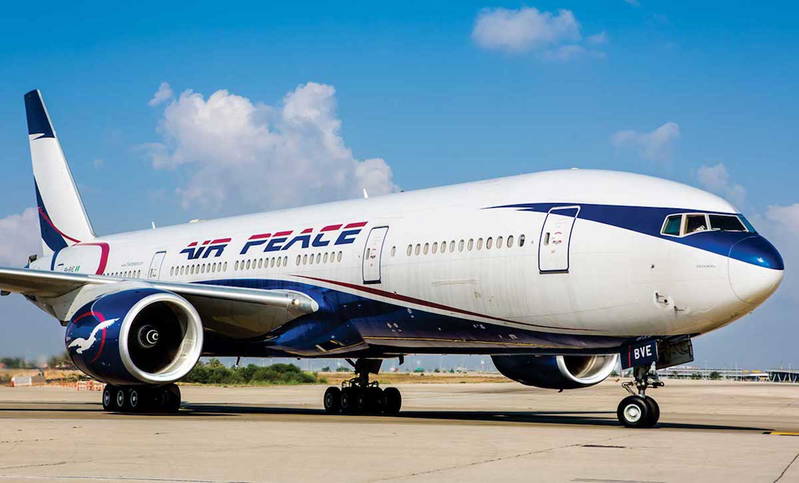
Air Peace Limited has challenged the accuracy of the Nigeria Civil Aviation Authority’s (NCAA) August 2026 flight delay report, alleging that, the regulator understated the airline’s total flight operations and failed to properly distinguish between internal and external causes of delays.
The airline, in a statement signed by its Chief Operating Officer, Oluwatoyin Olajide, said it operated 2,564 flights in August 2026, contrary to the 1,864 flights contained in the NCAA report.
Air Peace said, the omission of more than 700 flights from the NCAA’s data pool distorted its performance metrics and resulted in an inaccurate representation of its delay rate.
The airline also questioned the timing and methodology of the NCAA report, noting that the regulator’s August data was released shortly after the end of the month, while, according to Air Peace, equivalent monthly data for July had not been published.
More importantly, Air Peace disputed what it described as the report’s failure to adequately identify the causes of the delays attributed to individual airlines.
According to the carrier, its internal analysis showed that only 391 flights, representing about 15 per cent of the delays recorded during August, were attributable to internal operational factors.
It said, the remaining delays were linked to external factors outside its direct control.
Air Peace identified airport congestion and traffic as the biggest contributor to its externally induced delays, accounting for more than 51 per cent of such disruptions, according to its internal assessment.
The airline said, aircraft were frequently held on the ground or placed in holding patterns because of airport infrastructure and capacity constraints.
It also cited deficiencies and unexpected breakdowns in airport facilities as another major source of disruptions.
The carrier argued that such circumstances could create consequential delays across subsequent flight rotations, even where the initial disruption did not originate from the airline.
Air Peace also cited bird strikes as a significant operational challenge during the month.
The airline disclosed that, one of its aircraft, 5N-BYG, was struck by a bird in Abuja, damaging its inlet cowl and requiring the aircraft to be withdrawn from service for more than a week.
According to Air Peace, the repair cost approximately $1.8 million, while the aircraft’s removal from service significantly affected its flight schedule.

The airline said, the aircraft typically operates a minimum of eight sectors daily and carries about 1,000 passengers, meaning its prolonged withdrawal had a knock-on effect on flight rotations.6
Inclement weather was also identified as a major external factor.
Air Peace said adverse weather conditions during the rainy season resulted in mandatory safety holds and flight diversions, with a single diversion capable of generating several hours of consequential delays.
The airline said it continued to provide support to affected passengers, including hotel accommodation where necessary, even when disruptions resulted from factors outside its control.
The carrier further blamed what it described as unprecedented picketing of the airline by aviation union members for disruptions that lasted more than 14 days.
Air Peace said the industrial action, which began on August 11, had effects that lingered beyond the immediate period of the disruption, resulting in rescheduling, cancellations and additional delays.
It questioned why the NCAA report did not provide adequate context on such industry-wide or external disruptions when presenting airline-specific delay figures.
Air Peace said, its internally attributable delays were mainly associated with technical issues requiring unscheduled maintenance and fuel-related challenges.
It stressed, however, that these accounted for only 15 per cent of the delays recorded during the month based on its internal analysis.
“Only 391 flights should be attributed to Air Peace which represents 15% of the delay in that month,” the airline said.
The carrier maintained that the majority of its August disruptions resulted from circumstances beyond its operational control.
The airline said it had previously refrained from making its concerns public but decided to respond after what it described as an unacceptable portrayal of its operational performance.
Air Peace assured it will invest continued to invest in its fleet, crew availability, training and maintenance systems, while remaining committed to safety, punctuality and passenger satisfaction.
However, it argued that airlines could not safely bypass airport congestion, infrastructure limitations, adverse weather, bird strikes or other external operational constraints.
The carrier called on the NCAA to review and audit its data collection methodology, particularly the way flight volumes and delay causal factors are captured and attributed to individual airlines.





