
Nigerian Households Groan As Cooking Gas Rises To N1,800 Per Kg
BY CEES HARMON, Lagos And GBENGA ELIJAH, Abuja
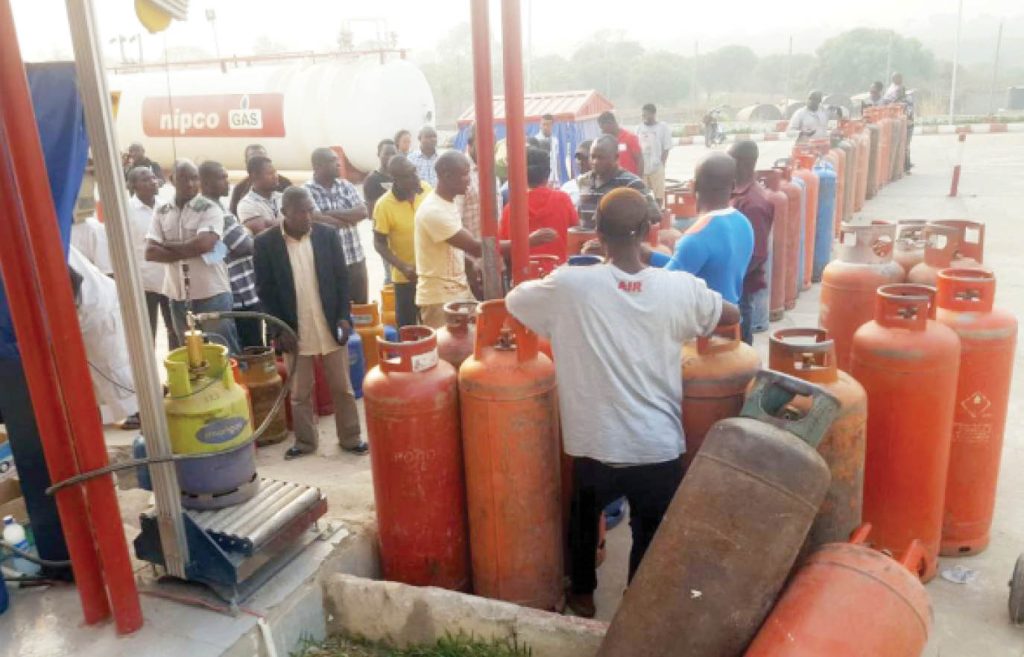
Millions of Nigerian households are struggling to afford cooking gas, with retail prices hovering between N1,800 per kilogramme in parts of Abuja and N1,600 in some Lagos and Ogun neighbourhoods, exposing the widening gap between the country’s vast gas wealth and the cost of putting food on the table.
The surge is squeezing family budgets, driving up the cost of prepared meals and threatening the Federal Government’s clean-cooking drive as more households consider returning to cheaper, dirtier fuels such as firewood and charcoal.
Yet, in a striking illustration of the pricing gap, Dangote Refinery has listed liquefied petroleum gas (LPG), popularly known as cooking gas, at N980 per kilogramme, while selected depots are charging between N1,160 and N1,170.
The disparity does not automatically translate into excessive retail margins, as transportation, storage, handling and distribution costs vary. But it raises fresh questions about the costs accumulating between depots and consumers—and why lower supply-point prices are offering little relief to households.
At N1,800 per kilogramme, refilling a 12.5kg cylinder costs N22,500, placing a basic household necessity further beyond the reach of low-income families.
A Lagos food vendor, identified as Mama Junior, told BUSINESSDIARY that rising gas costs had forced her to increase the price of a bowl of rice by N200.
She said the price of cooking gas had risen from about N1,200 to N1,500 per kilogramme over two months, leaving her with little choice but to pass some of the additional costs to customers.
In Abuja, a Gwagwalada resident, Mr Clement, described the increase from N1,600 to N1,800 per kilogramme as another blow to struggling families. “When the price rises from N1,600 to N1,800, it may look small to some people, but for a family that is already struggling to survive, every additional cost matters,” he said.
The crisis exposes a troubling contradiction: Nigeria has approximately 199 trillion cubic feet of proven natural gas reserves, yet millions of its citizens are finding it increasingly difficult to afford the fuel needed to prepare daily meals.
*SUPPLY GAP, IMPORTS FUEL PRESSURE*
Data from the Nigerian Midstream and Downstream Petroleum Regulatory Authority (NMDPRA) showed that Nigeria supplied 565,106 tonnes of LPG between January and June 18, 2026, against estimated demand of 657,072 tonnes.
The resulting shortfall of 91,966 tonnes meant domestic supply met only about 86 per cent of estimated requirements, leaving imports to bridge the gap.
That dependence exposes the market to international commodity prices, shipping and insurance charges, foreign-exchange movements and other costs that feed into domestic prices.

LPG imports reportedly increased from 0.1 kilotonnes per day in May to 1.5 kilotonnes per day in June as domestic supply weakened. Industry operators have also pointed to transportation costs, inadequate storage infrastructure and supply disruptions as factors contributing to the high prices paid by consumers.
The Nigerian Association of LPG Marketers (NALPGAM) has attributed recent increases partly to volatility in international energy markets.
Energy lawyer and oil and gas expert, Oluwale Oni said, domestic supply alone would not guarantee cheaper cooking gas, stressing the influence of international propane and butane prices, shipping, insurance, exchange rates and local transportation costs.
He called for greater transparency in depot pricing, stronger domestic supply arrangements and investment in storage and distribution infrastructure.
*GOVERNMENT MEASURES YET TO EASE PRICES*
The federal government has directed regulators and security agencies to intensify action against LPG hoarding, diversion and illegal storage, while the NMDPRA has been tasked with strengthening market surveillance and improving supply stability.
Following the interventions, reported supply sufficiency increased from 11 days to 22 days, while average daily supply rose from 4,262 metric tonnes in May to 5,040 metric tonnes in June.
But retail prices remain punishing for many consumers, underscoring the gap between improving supply availability and delivering affordable fuel.
Energy expert, Paul Abonde said, Nigeria must address weaknesses across the entire LPG value chain, including domestic production, processing, storage, transportation and distribution.
He cited Nigerian Upstream Petroleum Regulatory Commission(NUPRC) figures showing average domestic gas deliveries of 2.05 billion cubic feet per day in the first half of 2026, about 65 per cent of allocated domestic gas delivery obligations.
Abonde called for more investment in LPG infrastructure, improved price transparency and incentives to expand domestic processing and distribution. He also urged targeted support for low-income households rather than costly, broad-based subsidies.
Policy analyst, Henschel Johnson similarly argued that the solution lies in increasing domestic supply, lowering logistics costs, expanding infrastructure and insulating consumers from unnecessary external shocks.
*CLEAN-COOKING DRIVE UNDER THREAT*
The consequences extend beyond household spending. As cooking gas becomes less affordable, families may buy smaller quantities, reduce consumption or return to firewood and charcoal, undermining Nigeria’s clean-cooking ambitions.
Food vendors and restaurants, meanwhile, face mounting pressure to raise meal prices, transferring higher energy costs to consumers already battling expensive food and transportation.
For a country endowed with enormous gas reserves, the challenge is no longer simply to produce more gas but to ensure that supply reaches households at affordable prices.
Until domestic supply gaps, distribution costs and pricing inefficiencies are addressed, Nigeria’s gas wealth will offer little comfort to families struggling to afford the fuel needed to cook their daily meals.





