
Customs Intercepts N6.19bn Smuggled Goods, 3.4 tonnes of Cannabis
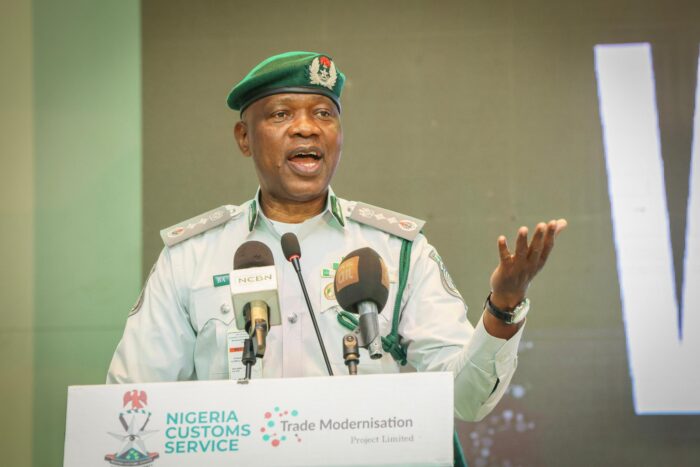
The Nigeria Customs Service (NCS), Federal Operations Unit (FOU), Zone A, has intercepted smuggled goods valued at N6.19 billion, including 3.4 tonnes of cannabis, in a four-week enforcement operation, highlighting the scale of illicit trade through the country’s borders.
The Acting Comptroller of the unit, Oladapo Afeni, disclosed this on Tuesday in Lagos during a news conference, saying, the operation resulted in 195 seizures of prohibited and restricted goods.
Afeni attributed the interceptions to improved intelligence gathering, surveillance and collaboration with other security and regulatory agencies, adding that the coordinated approach had strengthened the unit’s capacity to disrupt smuggling networks.
The enforcement operations involved the National Drug Law Enforcement Agency (NDLEA), Nigeria Police Force, Department of State Services (DSS), Nigeria Immigration Service, Nigerian Army, National Agency for Food and Drug Administration and Control (NAFDAC), and National Environmental Standards and Regulations Enforcement Agency (NESREA).
Among the seized items were 5,986 parcels of cannabis sativa and indica weighing 3,407.83 kilogrammes, 400 grammes of cocaine, 100 grammes of methamphetamine and 57 cartons, 37 packs and six pieces of codeine syrup.
The unit also intercepted 23,220 new machetes, 1,250 rounds of 12-calibre cartridges, 4,334 bags of imported rice, 173 cartons of frozen poultry products, 6,949 cartons of spaghetti, 1,236 used tyres, 21 foreign-used vehicles and 8,025 litres of Premium Motor Spirit (PMS).
Other seizures included eight live pangolins, 459 bales and 39 jumbo sacks of second-hand clothing, 250 cartons of unregistered Lotus sardines, 101 bags of imported sugar, 20 cartons of couscous and 2,760 knocked-down office chairs.
Beyond the seizures, Afeni said the unit generated N683.66 million through compliance checks, scrutiny of import declarations, detection of under-valuations and demand notices between September 30 and November 3, 2026.

He warned that, smuggling remained a threat to legitimate businesses, government revenue and national security, stressing that the activities could flourish where individuals and institutions tolerated or protected offenders.
“Smuggling thrives where it is tolerated, protected or ignored. Every citizen has a role to play by reporting suspicious activities and supporting lawful trade,” he said.
He urged Nigerians to report suspicious activities and cooperate with enforcement agencies, noting that public participation was essential to dismantling smuggling networks and protecting the country’s economic interests.
The latest operation adds to a series of major interceptions by the Customs Service as it intensifies efforts to curb illicit trade and protect domestic industries from the effects of smuggled and prohibited goods.
In May 2026, the NCS Ogun I Area Command, Idiroko, seized contraband valued at N6.77 billion in a renewed crackdown on smuggling along the nation’s borders.
Earlier in February 2026, the Federal Operations Unit, Zone A, intercepted synthetic cannabis and other contraband worth N3.3 billion in Lagos.
The enforcement drive followed a major operation announced by the Comptroller-General of Customs, Bashir Adeniyi, in May 2025, when the service reported seizures of contraband valued at more than N921 billion within four months.
Drug trafficking has also remained a major focus of Customs enforcement operations. In May 2026, the service recovered cocaine valued at N2.35 billion from a 71-year-old suspect along a major smuggling route.
Similarly, in March 2026, the Apapa Command intercepted 3,398 cartons of codeine syrup valued at N3.39 billion at Apapa Port, Lagos. The command also seized 13 containers containing expired drugs, food products and restricted security equipment valued at N6.38 billion during the same month.
The latest interceptions underscore the economic and security implications of smuggling, particularly the circulation of narcotics, prohibited imports and restricted goods through Nigeria’s trade corridors.





