
Mambila 3,000mw Hydropower Project, Private Investments To Expand Electricity Supply–Tegbe
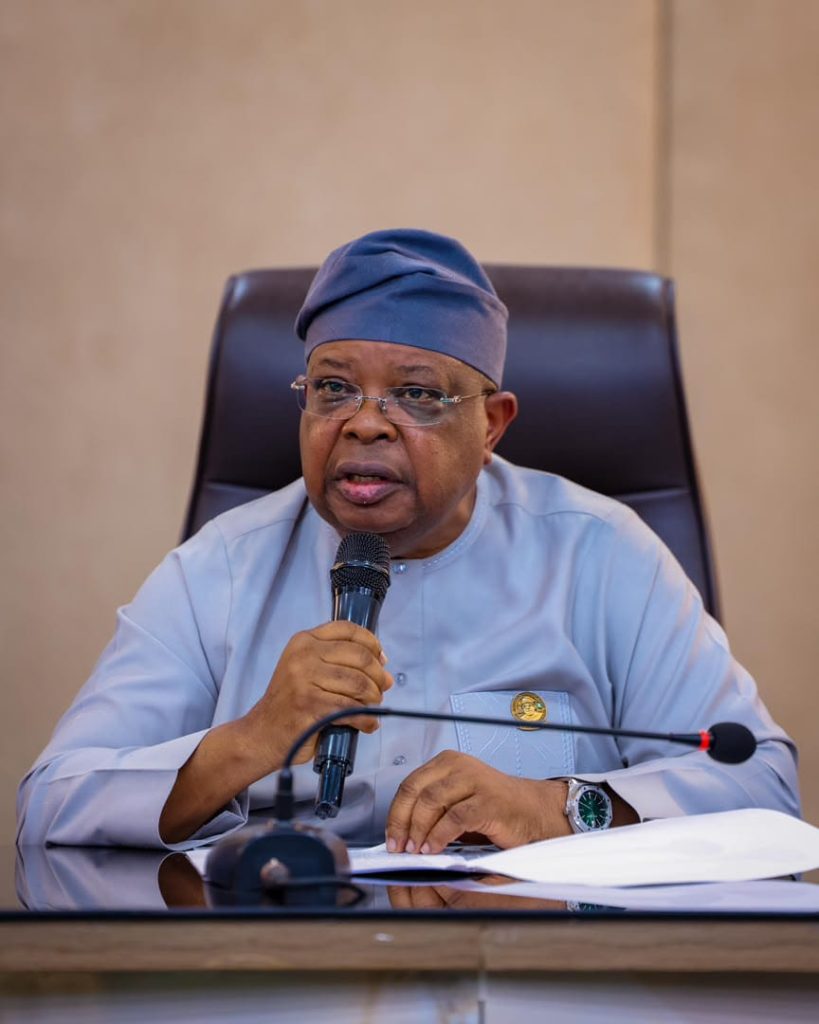
The minister of Power, Joseph Tegbe has identified the Mambila Hydropower Project, development of 21 dams and increased private sector investments as key components of the strategy to expand electricity supply in the country.
Tegbe, who said this during a television interview on TVC, said the administration was moving beyond the longstanding 10,000MW generation target, with several projects in the pipeline capable of significantly expanding the country’s electricity capacity..
Recall the federal government has unveiled an ambitious plan to raise Nigeria’s electricity generation capacity towards 20,000 megawatts (MW), with President Bola Tinubu’s administration projecting stable power supply within the next three to five years.
“Give me a time horizon of three to five years, and Nigeria will enjoy stable electricity,” the minister declared, expressing confidence that ongoing infrastructure investments would transform the country’s power sector.
He disclosed that, the government was engaging private investors and development partners to accelerate the delivery of the projects, adding that, industrialist Aliko Dangote had expressed commitment to supporting Nigeria’s ambition of achieving 20,000MW.
A major pillar of the expansion programme is the Mambila Hydropower Project, which has an estimated generation potential of 3,000MW.
According to Tegbe, President Tinubu has directed him to engage northern state governments to secure their participation and ownership stakes in the project.
He added that, Chinese companies had indicated interest in supporting its development, with potential financing from China Exim Bank in collaboration with Sinohydro.
Beyond Mambila, the government is pursuing the development of small hydropower resources across the country, with a policy framework nearing completion.
The minister also revealed that 21 dams along the proposed Sokoto-Badagry Superhighway had been identified for potential development, following presidential approval to proceed with the initiative.

He said discussions were already underway with prospective investors to unlock the electricity generation potential of the identified dams.
Tegbe identified the Electricity Act 2023 as a critical driver of the government’s expansion agenda, noting that the legislation has opened up the electricity market to state governments and private investors.
Under the decentralised framework, states can develop independent electricity markets and pursue power solutions suited to their needs, including mini-grids and gas-fired power plants.
He said, the approach would complement the national grid, expand electricity access and attract additional investments into the sector.
The minister further disclosed that the government was looking to deepen private sector participation in transmission and distribution, particularly to mobilise the funding and technical expertise needed to modernise electricity infrastructure.
On future demand, Tegbe warned that Nigeria’s electricity requirements would rise significantly as population growth, industrialisation and emerging technologies reshape the economy.
He specifically cited artificial intelligence, data infrastructure and the increasing number of Nigerians working remotely as emerging drivers of electricity consumption.
He stressed that the country must expand generation, strengthen transmission networks and improve the operational capacity of distribution companies to meet these changing demands.
The minister, however, said the immediate priority remained stabilising the existing national grid and maximising available generation capacity while investments in new infrastructure progress.
He acknowledged that major electricity projects require between three and five years to develop and deliver, noting that, sustainable improvements would depend on coordinated investments across the entire power value chain.
Tegbe maintained that the administration’s ambition goes beyond increasing generation figures, stressing that the ultimate objective is to establish a reliable electricity system capable of supporting households, businesses, industries and Nigeria’s long-term economic growth.





