
EDITORIAL: Nigeria Must Treat Waste Management as Economic Infrastructure
World Cleanup Day 2026, marked on September 20, comes with a message that Nigeria cannot afford to ignore. Under the theme: ‘From Clean Plates to Clean Cities, ‘the global observance is drawing attention to food waste and the urgent need to build cleaner, more resource-efficient cities.
For Nigeria, however, the issue goes far beyond environmental cleanliness. Waste management is increasingly an economic issue, affecting productivity, public health, infrastructure, household incomes, tourism, businesses and the competitiveness of Nigerian cities.
The United Nations says about 1.05 billion tonnes of food were wasted globally in 2022, representing about 19% of food available to consumers. More than one billion meals are wasted every day. The resources embedded in that food, land, water, energy, labour, transportation and money, are consequently wasted as well.
This has important implications for Nigeria, where millions of households face high food costs and where businesses are struggling with rising operating expenses.
Reducing food waste can therefore help households and businesses make better use of scarce resources while reducing pressure on already stretched waste-management systems.
The scale of Nigeria’s urban waste challenge is particularly evident in Lagos. A World Bank assessment estimates that Lagos generates more than 13,000 tonnes of solid waste daily, while only about a third was collected in the period examined.
Much of the uncollected waste can enter drainage channels and waterways, increasing flood risks and damaging aquatic ecosystems and economic activities linked to them.
The economic consequences are substantial. Poor waste management creates costs that eventually have to be borne by governments, businesses and households.
Blocked drainage systems can worsen flooding, damaging homes, roads, shops and industrial facilities. Uncollected waste can also increase health risks, reduce the attractiveness of commercial districts and undermine tourism and investment.
This means Nigeria should stop treating waste management simply as a sanitation responsibility. It should be regarded as part of the country’s economic and urban infrastructure.
Investment in waste collection, recycling, composting, waste-to-resource facilities and modern disposal systems can create economic value.
The World Bank has noted that waste management can support employment, urban competitiveness and economic development. For Nigeria, this creates an opportunity to develop a stronger circular economy in which materials that would ordinarily be discarded are recovered and returned to productive use.

Food waste deserves particular attention. Nigeria loses resources at several points between farms, markets, restaurants, households and disposal sites. Better storage, transportation, market infrastructure and food redistribution systems could reduce avoidable losses before food reaches the waste stream.
Where food waste cannot be prevented, composting and other forms of organic-waste recovery can turn part of the problem into an economic resource. Compost can support agriculture, while recycling and material recovery can create businesses and jobs.
But government cannot solve the problem alone.
State and local authorities must improve collection systems, enforce environmental regulations and create predictable frameworks that encourage private investment. Businesses should take greater responsibility for the waste generated by their products and packaging.
Manufacturers, retailers and restaurants also have an important role to play in reducing unnecessary packaging and food waste.
At the household level, consumers can contribute by purchasing more carefully, avoiding unnecessary food waste, separating recyclable materials and keeping waste out of drains and public spaces.
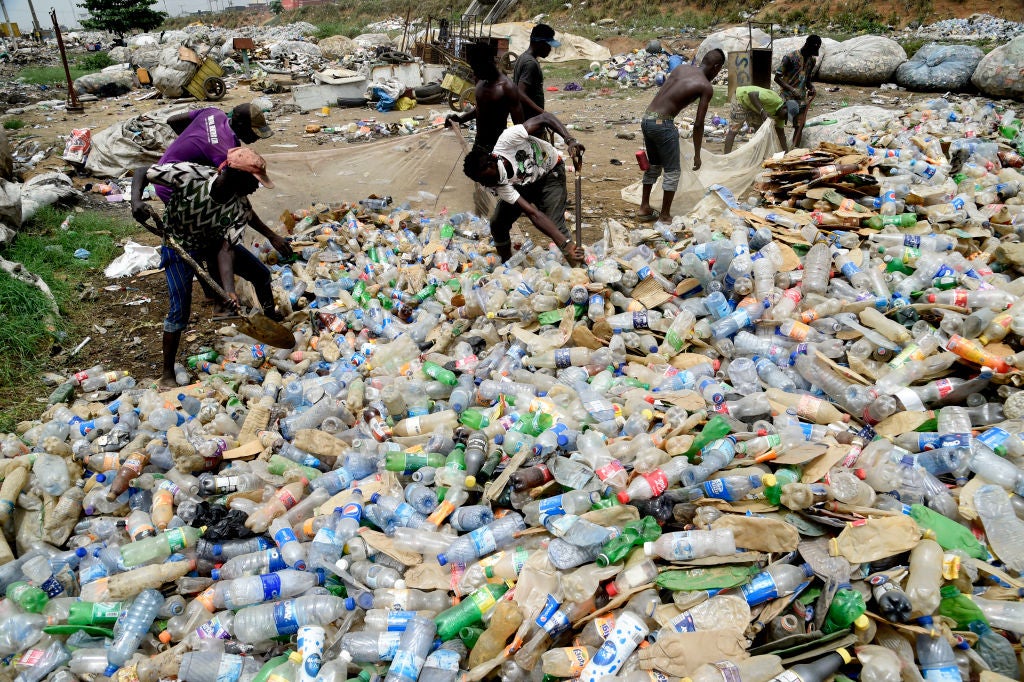
Nigeria’s large informal waste-recycling sector should also be incorporated into the formal waste-management economy. Waste pickers already recover valuable materials from the waste stream.
Providing better organisation, safer working conditions and access to formal recycling markets could improve livelihoods while increasing recycling rates.
World Cleanup Day should therefore not be reduced to a one-day exercise in sweeping streets and clearing refuse.
Cleanup campaigns are useful, but the larger objective should be to build systems that prevent waste from accumulating in the first place.
For Nigeria, the economic case is compelling. Every naira spent preventing waste, improving collection or recovering useful materials can help reduce the much larger costs associated with flooding, environmental degradation, public-health problems and lost economic activity.
The country needs a shift from a “collect and dispose” mentality towards prevention, reuse, recycling and resource recovery.
A cleaner Nigeria can also be a more productive Nigeria. Cleaner streets, functioning drainage systems, efficient waste collection and thriving recycling businesses can improve the quality of urban life while supporting economic activity.
The message of World Cleanup Day 2026 is therefore particularly relevant to Nigeria: what happens on our plates eventually affects what happens in our cities. The challenge is to turn that understanding into sustained investment, effective regulation and economic opportunity.
Waste is not merely something Nigeria needs to get rid of. Properly managed, it is also a resource that can create jobs, support businesses and contribute to a cleaner and more productive economy.





