
ECOWAS Urges Journalists To Expose Anti-Competitive Practices, Protect Consumers
BY ZAKA KHALIQ
The Economic Community of West African States (ECOWAS) has called on journalists across the region to play a more active role in exposing anti-competitive business practices, promoting consumer rights and holding businesses and public institutions accountable.
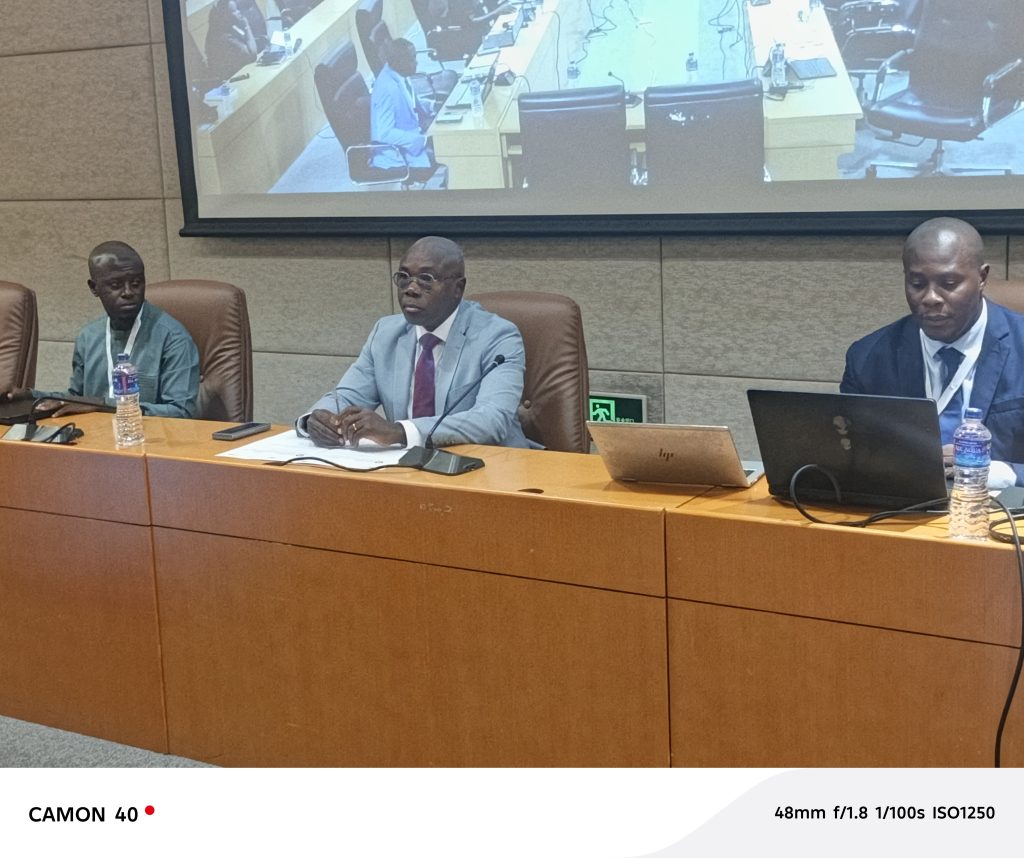
Director of Communication, ECOWAS Commission, Mr. Joel Ahofodji, made the call while addressing journalists at the opening ceremony of the First Meeting of the ERCA Economic Journalists’ Network (EJN-ERCA) in Banjul, Gambia, on Monday. , where he emphasised the importance of independent journalism in strengthening competition enforcement and protecting consumers across the regional market.
Ahofodji said, the media remained critical to making the work of competition authorities more accessible to the public, noting that decisions affecting the prices of food, transportation, communication and other essential services were often hidden behind complex technical and legal processes.
According to him, journalists have a responsibility to investigate decisions and business practices that affect citizens, question powerful interests and provide the information people need to participate meaningfully in public life.
He explained that, public awareness was essential to effective competition enforcement because consumers could only exercise their rights when they understood them, while businesses were more likely to comply with regulations when the rules were clearly communicated.
He urged journalists to help the public distinguish between legitimate increases in prices arising from difficult economic conditions and those potentially resulting from anti-competitive conduct.
Ahofodji explained that, the ECOWAS Regional Competition Authority(ERCA) was established under the regional legal framework adopted in 2008, with its activities officially launched in June 2019.
The authority is responsible for implementing ECOWAS competition rules, protecting consumers in the regional market and working with relevant national institutions to examine practices that restrict competition.
He said, the ultimate objective of competition policy was to promote fairness in economic activities, ensure that businesses competed on merit and enable consumers to make informed choices.
He noted that, competition policy was also central to regional economic integration, warning that businesses dividing markets among themselves, excluding new entrants or replacing public barriers with private restrictions could undermine the benefits of an integrated West African market.
On the challenges confronting competition enforcement, Ahofodji observed that, some businesses wield considerable financial influence, control essential commercial networks and enjoy relationships that could create the impression that they were beyond regulatory scrutiny.
He said, smaller businesses might be reluctant to report misconduct for fear of retaliation, while consumers could become discouraged from challenging powerful companies if they believed their complaints would produce no results.
He urged journalists to sustain public scrutiny of such practices by asking critical questions, following evidence and keeping issues of public interest in the spotlight.
Highlighting common anti-competitive practices, Ahofodji identified price-fixing, bid-rigging, abuse of dominant market positions and unjustified discriminatory treatment among the issues requiring attention.
He explained that, businesses that should ordinarily compete could secretly agree on prices or coordinate bids for public contracts, creating an artificial appearance of competition and potentially forcing public institutions to pay more for goods and services.
He also cautioned that market dominance was not automatically unlawful, as a business could become dominant through efficiency, innovation and customer confidence.
However, the abuse of such a position to exploit customers or exclude competitors could raise serious competition concerns, he said.
He urged journalists to approach such issues with accuracy and care, stressing that, high prices or the existence of a single supplier did not, on their own, establish an infringement of competition laws.
According to him, responsible reporting must examine the circumstances, available evidence, market conditions and applicable legal provisions before drawing conclusions.
The ECOWAS communication director further underscored the importance of consumer education, referencing the United Nations Guidelines for Consumer Protection, which promote consumer awareness, effective institutions and access to redress.
He encouraged consumers to keep receipts, preserve relevant messages, document complaints accurately and report suspicious business practices through appropriate channels.
He also advised journalists to protect confidential sources, respect professional obligations and exercise particular caution where disclosures could expose individuals to retaliation.
Ahofodji maintained that competition authorities needed the support of journalists to identify patterns of misconduct that might otherwise remain unnoticed, noting that reports from consumers, traders and businesses could provide valuable leads for regulatory investigations.
He added that effective public communication should go beyond publishing statements and regulatory decisions, explaining that, businesses must understand the rules they are expected to obey, while consumers must know their rights and available channels for seeking redress.
He called for sustained collaboration between the ECOWAS Regional Competition Authority, national institutions and media organisations to deepen public understanding of competition and consumer protection across West Africa.
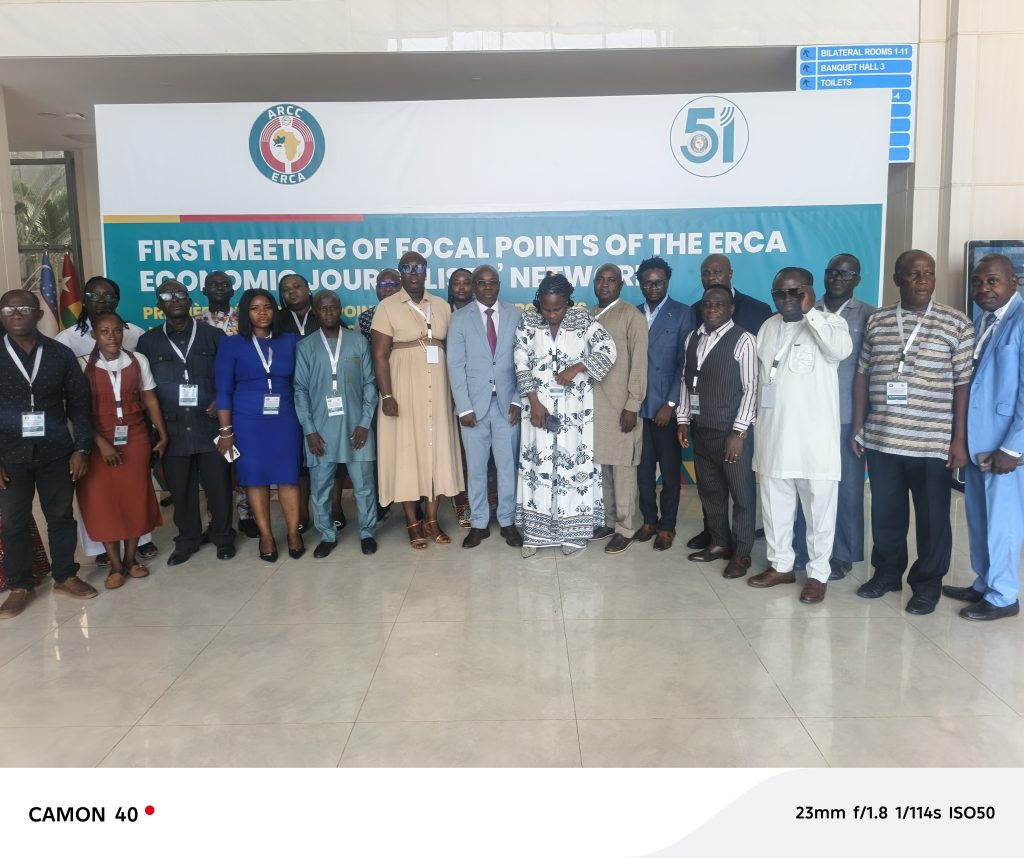
Ahofodji also acknowledged the contribution of The Gambia Competition and Consumer Protection Commission, expressing appreciation for its efforts to promote competitive markets and consumer welfare.
He urged journalists to continue examining economic developments through the lens of public interest, asking questions about changing prices, business closures, access to markets and the fairness of public procurement.
He said, independent journalism could help ensure that competition rules translated into tangible benefits for ordinary citizens, businesses and the wider regional economy.
Ahofodji subsequently declared the media engagement open, expressing optimism that the meeting would strengthen journalists’ understanding of competition policy and build a stronger network of informed media professionals across the ECOWAS region.
Earlier, executive director of ECOWAS Regional Competition Authority (ERICA), Mr. Simeon Konan Koffi had appreciated participants for attending the training, promising that the engagement promises to be interesting, educative and highly rewarding.





